




Unraveling the myths surrounding casino gambling
The Gambler’s Fallacy: Luck vs. Skill
One of the most pervasive myths surrounding casino gambling is the gambler’s fallacy—the belief that past events influence future outcomes. For instance, if a slot machine hasn’t paid out in a while, a player might assume it is ‘due’ for a win. In reality, most casino games operate on random number generators, meaning each spin or deal is entirely independent. Understanding this principle can significantly alter one’s approach to gambling, shifting the focus from misconceptions about luck to the realities of probability, especially in contexts like neosurf casino instant withdrawal australia where quick payouts can impact decision-making. The misconception that past performance predicts future results can be detrimental, leading to poor decision-making and increased losses.
The idea that luck plays a critical role in games of chance can lead to frustration when results don’t align with expectations. However, players often overlook the basic principles of game mechanics. For example, in games like blackjack or poker, while luck does play a role, skillful decision-making and strategy can greatly improve one’s chances of winning. Recognizing the balance between chance and skill is essential for any gambler looking to enhance their experience. This understanding encourages players to develop their skills and knowledge rather than rely solely on luck.
Moreover, embracing a more informed mindset can help players manage their expectations and control their gambling habits. Understanding the limitations of luck can mitigate the emotional rollercoaster that often accompanies gambling, thereby promoting a more responsible approach. By balancing enjoyment with knowledge, gamblers can engage more thoughtfully with their choices, diminishing the impact of misguided beliefs. The more players know about the games they play, the better equipped they are to make informed decisions that enhance their overall experience.
The Myths of Winning Strategies
Many gamblers are drawn to the allure of secret winning strategies that promise success at the gaming tables. These myths often exaggerate the effectiveness of specific betting systems, such as the Martingale or Fibonacci strategies. Although these systems may offer temporary wins, they do not change the inherent odds of the games and can lead to significant losses over time. Players must be wary of systems that claim a guaranteed win, as these can create a false sense of security. Understanding that no betting system can alter the house edge is crucial for anyone looking to gamble responsibly.
In reality, each game has predetermined odds set by the casino, which means no strategy can overcome the house edge consistently. For instance, roulette remains fundamentally a game of chance, regardless of the betting patterns players adopt. A common misconception is that players can outsmart the game through betting patterns, but it’s crucial to understand that casinos are designed to maintain profitability. This knowledge can help players approach gambling with a more realistic perspective, focusing on enjoyment rather than chasing elusive strategies.

Instead of searching for non-existent winning strategies, a more effective approach is learning the rules and developing personal skills in games like poker. Understanding the dynamics of players and making informed decisions based on critical thinking can often play a more significant role in achieving desired outcomes. By focusing on skill development rather than mythical strategies, gamblers can enhance their gameplay experience and cultivate a healthier relationship with gambling. This shift in mindset fosters a more sustainable approach to gaming, where enjoyment takes precedence over the pursuit of unattainable strategies.
The Illusion of Control in Gambling
Another widespread myth revolves around the illusion of control, where players believe they can influence outcomes through specific behaviors or rituals. Many gamblers adhere to superstitions, such as wearing lucky clothing or performing particular actions before placing bets. Such practices stem from the human desire to feel in control of uncertain situations, but they do not substantiate a real effect on the outcome of random games. This belief can lead to harmful behaviors, causing players to engage in repetitive rituals that do not enhance their chances of winning.
The belief that personal actions can affect the results of a game can lead to compulsive behaviors and poor decisions. For example, a player might continue to gamble despite accumulating losses, convinced that their next bet would turn the tide. This mindset can create a negative cycle of chasing losses and escalating stakes, ultimately resulting in significant financial distress. Recognizing the futility of these beliefs is vital for establishing a rational approach to gambling and avoiding the pitfalls associated with the illusion of control.
Instead, players should focus on responsible gambling practices, setting limits, and being aware of their financial situation. Acknowledging that control can only be exercised over one’s choices, such as when to gamble or how much to wager, empowers players to engage more thoughtfully. By understanding that luck and randomness govern the outcomes, gamblers can avoid falling into the trap of believing they have more influence over the situation than they truly do. This empowerment can lead to a healthier relationship with gambling and a more enjoyable experience overall.
The Impact of Casino Atmosphere on Gambling Behavior
Certain myths suggest that the ambiance of a casino, complete with bright lights and celebratory sounds, is designed to make players lose track of time and money. While it is true that casinos create an enticing atmosphere to encourage prolonged play, this environment can influence behavior in more nuanced ways. For example, the sensory overload of a casino may lead players to make hasty decisions, driven by excitement rather than logic. This can result in impulsive betting and an inability to recognize when to walk away, ultimately leading to negative outcomes.
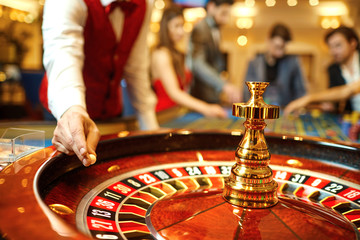
The psychology of gambling is influenced by the design and layout of casinos, with features that encourage social interaction and a sense of community. While some players thrive in this environment, others may find it overwhelming, leading to poor decision-making and increased spending. Understanding how these psychological factors play a role can help gamblers recognize their tendencies and make better choices while enjoying the experience in moderation. It’s essential for players to be aware of their emotional responses to this environment to ensure they maintain control.
Furthermore, players should assess their reactions to the casino environment and consider setting limits before entering. By acknowledging the potential for distraction and the impact of sensory stimuli, gamblers can better manage their time and money. Increasing awareness of personal behavior while gambling can foster a more enjoyable experience, focused on fun rather than the thrill of losing control. This foresight can help players navigate the casino experience in a way that prioritizes enjoyment and responsible gambling practices.
Empowering Responsible Gambling Practices
As the myths surrounding casino gambling can often lead to misunderstandings and unhealthy behaviors, promoting responsible gambling is essential. Casinos and advocacy groups are increasingly focusing on educating players about the importance of setting limits, recognizing problem gambling signs, and knowing when to seek help. Establishing a clear understanding of personal boundaries can help individuals enjoy gambling as a form of entertainment rather than a compulsive activity. This proactive approach can significantly reduce the risks associated with gambling.
Resources for responsible gambling are readily available, offering tools and strategies to help players maintain control over their gambling behavior. Programs that provide self-assessment tools and support networks are key in fostering a healthier relationship with gambling. By taking advantage of these resources, individuals can ensure their gambling remains a fun and enjoyable experience, free from the detrimental impacts of addiction and financial distress. Education and awareness are vital components in promoting a culture of responsible gambling.
Furthermore, creating open dialogues about gambling within communities can encourage individuals to share their experiences and challenges. By addressing the myths surrounding gambling, players can foster a more supportive environment that emphasizes responsible practices. The goal is to ensure that casino gambling remains a thrilling form of entertainment, where knowledge and accountability take precedence over misconceptions and reckless behavior. Building a community that prioritizes understanding and support can lead to a more sustainable and enjoyable gambling experience for all.